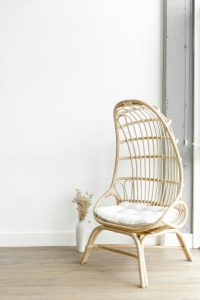
The Indonesian Rattan Chair Manufacturer

Rattan has long been one of Indonesia’s most iconic natural materials. Flexible, resilient, and aesthetically versatile, it has been used for centuries in furniture, handicrafts, and home décor. Among its many applications, the rattan chair is both functional and symbolic—balancing craftsmanship, nature, and design. Indonesia isn’t just a producer of rattan; many of the world’s rattan chairs are either designed, manufactured, or inspired by makers here.

Historical Background & Geographical Roots

  • Origins and craft heritage: Rattan weaving in Indonesia isn’t a modern invention. It is a tradition cultivated across multiple islands (Java, Kalimantan, Sumatra, etc.), where rattan grows abundantly. Artisans in communities have passed down weaving and bending techniques over generations.

  • Regional clusters: Certain areas have high concentrations of rattan craftsmanship. For instance, Cirebon in West Java is known for its large number of workshops and factories focused on rattan chairs and similar furniture. 

  • Industrialization and export: In the past few decades, companies large and small have shifted from cottage-level production to factories with export capability, blending handmade techniques with machine assistance. Such companies often supply to retailers, hospitality projects, and international wholesalers.

Strengths of Indonesian Rattan Chair Manufacturers

  1. Abundance of raw material
    Indonesia reportedly supplies a large proportion of the world’s natural rattan. This gives local manufacturers better access to rattan poles, cores, and strips, which helps with cost, supply stability, and experimentation with different grades/types.
  2. Skilled craftsmanship and tradition
    The weaving, bending, and shaping of rattan are labour-intensive skills. Many manufacturers still rely heavily on artisanal skills. This tradition ensures high levels of detail, flexibility in custom design, and the ability to produce both rustic/traditional and sleek/contemporary styles.
  3. Design versatility
    Because rattan is flexible, lightweight, and aesthetically neutral, it can be shaped into many styles—from classic colonial, mid-century, boho, modern minimal, to more avant-garde furniture design. Indonesian makers have been innovating with color, finish, combining with other materials etc. 
  4. Sustainability appeal
    Rattan grows relatively fast compared to slow-growing hardwoods. When harvested correctly, it’s renewable. Many manufacturers use eco-friendly treatments, legal sourcing systems, and environmentally respectful practices. In global markets, this aligns with buyer demand for ethically and sustainably sourced furniture.
  5. Export infrastructure & government support
    Indonesian manufacturers have experience with export compliance (customs, quality control) and there is institutional support (trade fairs, SME programs, regulatory frameworks). This helps manufacturers get their chairs into global retail channels. 

Opportunities & Trends

  1. Design innovation & collaborations
    Designer‐led experiments (e.g. new finishes, coloring techniques like “karuun“, hybrid designs combining rattan with metal or wood) are raising the profile of Indonesian rattan in global design shows. 
  2. Sustainable & ethical credentials as selling points
    As consumers globally care more about environmental impact, traceability, and fair labor, Indonesian rattan manufacturers who can credibly present these features have an edge.
  3. Niche & premium markets
    High-end furniture, boutique hotels, resorts, and specialty interior design projects are less price-sensitive and more style-sensitive. These markets value craftsmanship, authenticity, uniqueness.
  4. Domestic market growth
    As Indonesia’s middle class grows, there is more domestic demand for quality furniture—not just cheap pieces. This could help manufacturers balance export and local sales, reduce dependence on export markets alone.
  5. Technology and process improvements
    Leaner production, combining machine assistance and finishing with artisanal weaving, improved logistics, better supply chain management, and possibly leveraging digital tools (for designing, marketing, order management) are all potential extensions.

Rattanmeuble.com as one of Rattan Chair Exporter in Indonesia also export its products worldwide and welcome customize order from client. 
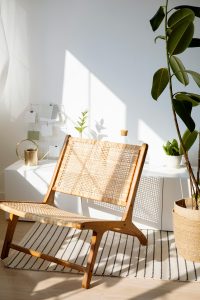
rattan chair manufacturer

Rattan Chair Exporter

Indonesia: A Global Leader in Rattan Chair Exports

Indonesia has long been recognized as the world’s leading exporter of rattan furniture, particularly rattan chairs. With its abundant natural rattan resources, deep-rooted artisanal traditions, and increasing focus on sustainability and innovation, the country has carved out a dominant position in global markets. Today, Indonesian rattan chair exporters are not only preserving cultural craftsmanship but also meeting modern design and international quality standards.

Rich Natural Resources and Craftsmanship

Indonesia is home to over 80% of the world’s natural rattan supply, with rattan growing naturally in the rainforests of Kalimantan, Sulawesi, and Sumatra. This natural abundance has supported the growth of a large and skilled cottage industry specializing in rattan furniture.

Regions like Cirebon (West Java) and Jepara (Central Java) are particularly renowned for their hand-woven rattan chairs. Many families have passed down weaving skills through generations, resulting in a strong foundation of craftsmanship that blends tradition with creativity.

Export Market and Global Reach

Indonesian rattan chairs are exported to countries across Europe, North America, Asia, and Australia. Major buyers include the United States, Germany, France, and the Netherlands, where consumers value natural, eco-friendly furniture that complements both indoor and outdoor living spaces.

Recent reports show a significant rise in rattan furniture exports from Indonesia in early 2025, with Cirebon Regency alone generating over USD 3 million in the first quarter. Exporters are responding to global trends by offering more diverse designs, from minimalist Scandinavian styles to vintage bohemian looks.

Government Support and Export Policies

The Indonesian government has played a key role in strengthening the rattan furniture industry. Since 2011, export restrictions on raw rattan have been put in place to encourage local processing and value-added production. This policy has spurred the growth of small and medium-sized enterprises (SMEs) that focus on exporting finished goods rather than raw materials.

In addition, local trade agencies offer support in areas such as quality certification, product innovation, and international marketing. Programs promoting sustainable harvesting and ethical labor practices also help exporters meet international standards.

Sustainability and Eco-Appeal

One of Indonesia’s strongest selling points is the sustainable nature of its rattan furniture. Rattan is a fast-growing, renewable plant that requires less energy and chemicals to process than wood or plastic. Indonesian exporters who use FSC-certified rattan and eco-friendly finishes appeal to environmentally conscious buyers, especially in Europe.

With growing global demand for sustainable and artisanal products, Indonesia is well-positioned to expand its presence in the rattan chair market. Exporters who combine traditional craftsmanship with modern design and eco-conscious practices are likely to lead the industry into a new era of growth.

Rattanmeuble.com as rattan furniture manufacturer from Indonesia also export rattan chair worldwide. For international order please contact us here.

rattan chair exporter

Cleaning Rattan Furniture

10 Essential Hacks for Cleaning and Maintaining Your Rattan Furniture

Rattan furniture adds a natural, rustic charm to any space, whether indoors or outdoors. However, keeping your rattan pieces looking fresh and well-maintained requires cleaning and maintaining  a little extra care. Over time, dirt and dust can accumulate in the woven patterns, and exposure to the elements can wear down its natural fibers. Luckily, maintaining rattan furniture is easier than you might think. Here are 10 essential hacks and tricks to help you clean and preserve your rattan furniture for years to come.

1. Regular Dusting with a Soft Cloth or Brush

The first rule of thumb for rattan maintenance is to regularly dust your furniture. Use a soft microfiber cloth or a small, soft-bristle brush to gently remove dust from the surface. Doing this weekly will prevent dust buildup and keep your furniture looking fresh and clean.

  1. Vacuum the Crevices

The intricate weaving of rattan furniture can trap dust and debris in small crevices. To address this, use the brush attachment on your vacuum cleaner to get into hard-to-reach areas. Make sure the suction is on a low setting to avoid damaging the delicate fibers.

  1. Use a Soft Toothbrush for Tight Spots

For those tiny, hard-to-reach areas where a vacuum can’t get, a soft toothbrush is your best friend. The small bristles can easily clean the corners and tight spots in the woven rattan without causing damage.

  1. Mild Soapy Water for Deeper Cleaning

Every couple of months, it’s a good idea to give your rattan furniture a deeper clean. Mix a few drops of mild dish soap with warm water. Use a soft cloth or sponge to gently wipe down the furniture, making sure to avoid soaking it, as excessive moisture can cause damage to natural rattan.

5. Dry Immediately After Cleaning

After cleaning with soapy water, it’s crucial to dry your rattan furniture immediately to prevent moisture damage. Use a dry cloth to wipe down the surfaces, or, if possible, place the furniture in a well-ventilated area to air dry.

  1. Prevent Water Stains

When cleaning or in day-to-day use, always avoid spilling water or other liquids onto your rattan furniture. Water stains can weaken the fibers and cause discoloration. Use coasters or placemats to protect the surface when placing beverages or other items on your rattan furniture.

 7. White Vinegar for Stains

If you notice any stains on your rattan furniture, mix equal parts white vinegar and water. Dab the mixture onto the stain with a soft cloth, then wipe with a dry cloth. This method is gentle and effective for removing stubborn marks without harming the furniture.

 8. Use Lemon Oil for Shine

Over time, rattan furniture can lose its natural shine. To restore its luster, apply a small amount of lemon oil with a soft cloth. This will not only give your rattan a fresh, polished appearance but also protect it from drying out and cracking.

  1. Avoid Direct Sunlight

Exposure to direct sunlight can cause rattan furniture to fade or become brittle. To prevent this, place your furniture away from windows where it would be exposed to harsh sunlight for long periods. If your rattan pieces are outdoors, consider using furniture covers to protect them when not in use.

 10. Use a Protective Coating

To keep your rattan furniture in top condition, especially outdoor pieces, apply a clear lacquer or varnish. This adds an extra layer of protection against the elements, keeping the fibers strong and preventing wear and tear from moisture and sunlight.

Rattanmeuble.com as rattan furniture exporter from Indonesia wish rattan furniture lover from all over the world can keep their rattan furniture clean and strong for long time. 

Cleaning Rattan Furniture